
What Are the First Signs That Glaucoma Is Developing?
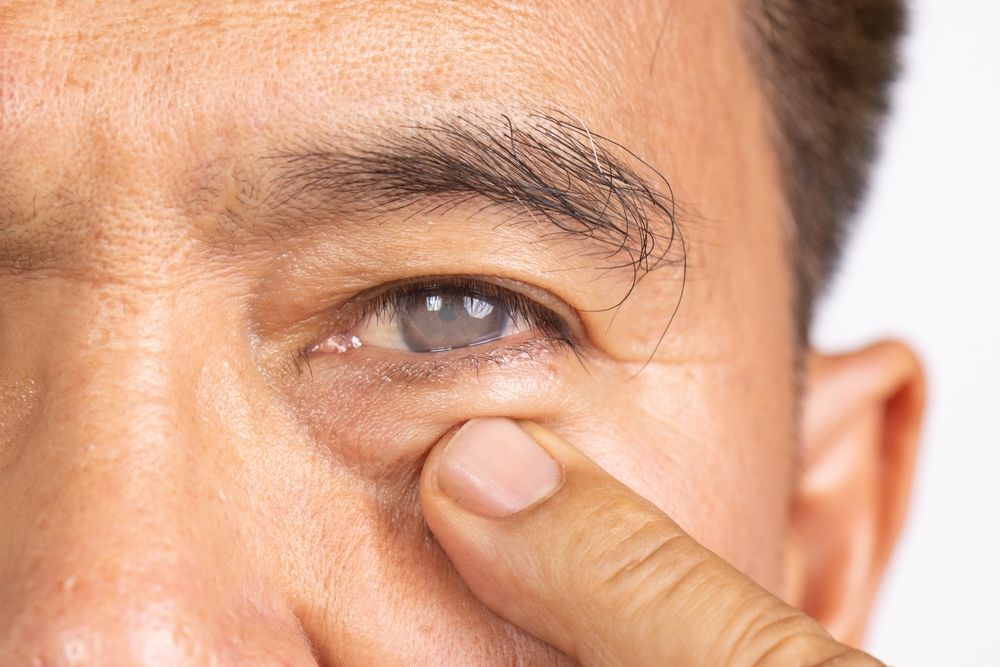
Glaucoma is often called the “silent thief of sight” - and for good reason. In its early stages, glaucoma usually develops without noticeable symptoms, quietly damaging the optic nerve over time. Because this vision loss is permanent, early detection is critical to protecting long-term eye health.
Understanding the earliest warning signs of glaucoma - and knowing when to schedule an eye exam - can make a life-changing difference.
Why Early Glaucoma Is Hard to Detect
Most people associate vision problems with blurry sight or eye discomfort. Glaucoma doesn’t typically start that way. Instead, it often progresses slowly and painlessly, especially in its most common form, open-angle glaucoma.
By the time noticeable vision loss occurs, irreversible damage may already be present. This is why routine comprehensive eye exams are essential, even if your vision seems perfectly fine.
Early Signs That Glaucoma May Be Developing
While many patients have no obvious symptoms at first, some subtle changes can occur:
Gradual Loss of Peripheral Vision - One of the earliest signs of glaucoma is reduced side (peripheral) vision. This often goes unnoticed because central vision remains clear.
Difficulty Adjusting to Low Light - You may find it harder to adapt when moving from bright environments to darker ones, such as entering a dimly lit room or driving at night.
Frequent Changes in Glasses Prescriptions - Repeated prescription changes without clear improvement in vision may be an early clue that something more is happening.
Eye Pressure Detected During an Exam - Elevated intraocular pressure is a major risk factor for glaucoma and is often discovered during routine eye exams - before symptoms begin.
Sudden Symptoms (Less Common but Urgent) - In rare cases, such as angle-closure glaucoma, symptoms may appear suddenly and require immediate care. These can include severe eye pain, headache, nausea, blurred vision, or seeing halos around lights.
How Glaucoma Is Diagnosed
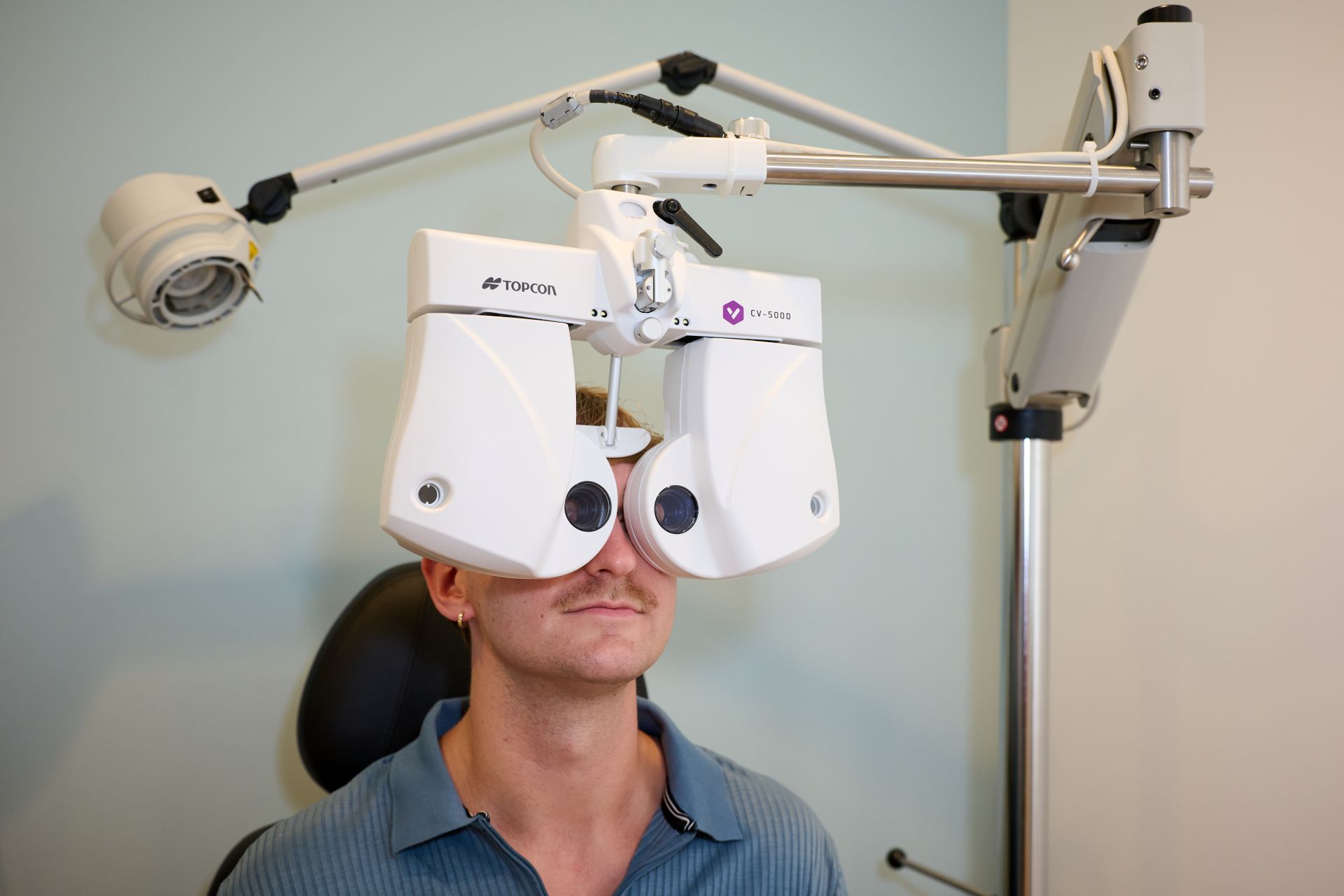
At Milestones Eyecare, diagnosing glaucoma involves much more than checking eye pressure. A comprehensive glaucoma evaluation may include:
- Measurement of intraocular pressure
- Examination of the optic nerve for early damage
- Visual field testing to detect peripheral vision loss
- Optical coherence tomography (OCT) to assess nerve fiber thickness
- Evaluation of corneal thickness and drainage angles
These advanced diagnostic tools allow early detection and personalized treatment planning.
Treatment Options for Glaucoma
While glaucoma cannot be cured, it can be effectively managed - especially when detected early. The goal of treatment is to lower eye pressure and prevent further optic nerve damage.
Prescription Eye Drops
Eye drops are often the first line of treatment. Modern combination medications help simplify treatment and improve effectiveness by targeting pressure in multiple ways. Examples include:
- Cosopt (timolol and dorzolamide)
- Combigan (timolol and brimonidine)
- Simbrinza (brinzolamide and brimonidine)
Laser Treatment
Laser procedures can improve fluid drainage from the eye, helping to lower pressure safely and effectively. Laser therapy is often used alongside or instead of eye drops.
MIGS (Minimally Invasive Glaucoma Surgery)
For patients who need additional pressure control, MIGS procedures offer a modern surgical option. These techniques use tiny implants or micro-incisions to enhance fluid outflow with less risk, faster recovery, and fewer complications than traditional glaucoma surgery. MIGS is often combined with cataract surgery when appropriate.
Why Early Detection Makes All the Difference
Glaucoma damage is permanent - but progression can often be slowed or stopped with timely treatment. Patients diagnosed early typically maintain good vision for life with proper monitoring and care.
Routine eye exams are especially important if you have risk factors such as a family history of glaucoma, elevated eye pressure, diabetes, or are over age 40.
Protect Your Vision Before You Notice a Change
Glaucoma often develops quietly, without pain or obvious warning signs, making regular eye exams essential for early detection. Subtle changes in peripheral vision, difficulty in low light, or elevated eye pressure may be the first clues. Fortunately, today’s advanced diagnostics and treatment options - including combination eye drops, laser therapy, and MIGS procedures - allow us to manage glaucoma more effectively than ever before.
If you haven’t had a comprehensive eye exam recently - or if you have risk factors for glaucoma - schedule an appointment with Milestones Eyecare. Visit our office in Centennial, Colorado, or call (720) 303-3069 to book an appointment today.
Quick Links
Helpful Articles
article_category: products
article_category: psychiatry
article_category: faqs
article_category: cats
article_category: general
article_category: services
article_category: technology
article_category: dogs
article_category: restorative
article_category: vision therapy
article_category: contact lenses
article_category: health
article_category: conditions
article_category: eye surgery co-management
article_category: exotic
article_category: cosmetic
article_category: surgical procedures
article_category: aesthetics
article_category: preventative
article_category: ocular disease management
article_category: eyeglasses
article_category: eye health
article_category: large animal
[]
article_category: psychiatry
article_category: faqs
article_category: cats
article_category: general
article_category: services
article_category: technology
article_category: dogs
article_category: restorative
article_category: vision therapy
article_category: contact lenses
article_category: health
article_category: conditions
article_category: eye surgery co-management
article_category: exotic
article_category: cosmetic
article_category: surgical procedures
article_category: aesthetics
article_category: preventative
article_category: ocular disease management
article_category: eyeglasses
article_category: eye health
article_category: large animal
[]
Flowbite is an open-source library of interactive components built on top of Tailwind CSS including buttons, dropdowns, modals, navbars, and more.
Check out this guide to learn how to get started and start developing websites even faster with components on top of Tailwind CSS.
All Eye Care Services
Find personalized eye care excellence with our comprehensive services. From eye exams to advanced diagnostics, trust us for all your vision needs.

Keep In Touch
For non-urgent questions or to learn more about our services, contact us today!
© 2026 Milestones Eyecare. All rights Reserved - Accessibility Statement - Privacy Policy - Sitemap
Managed and Designed by 